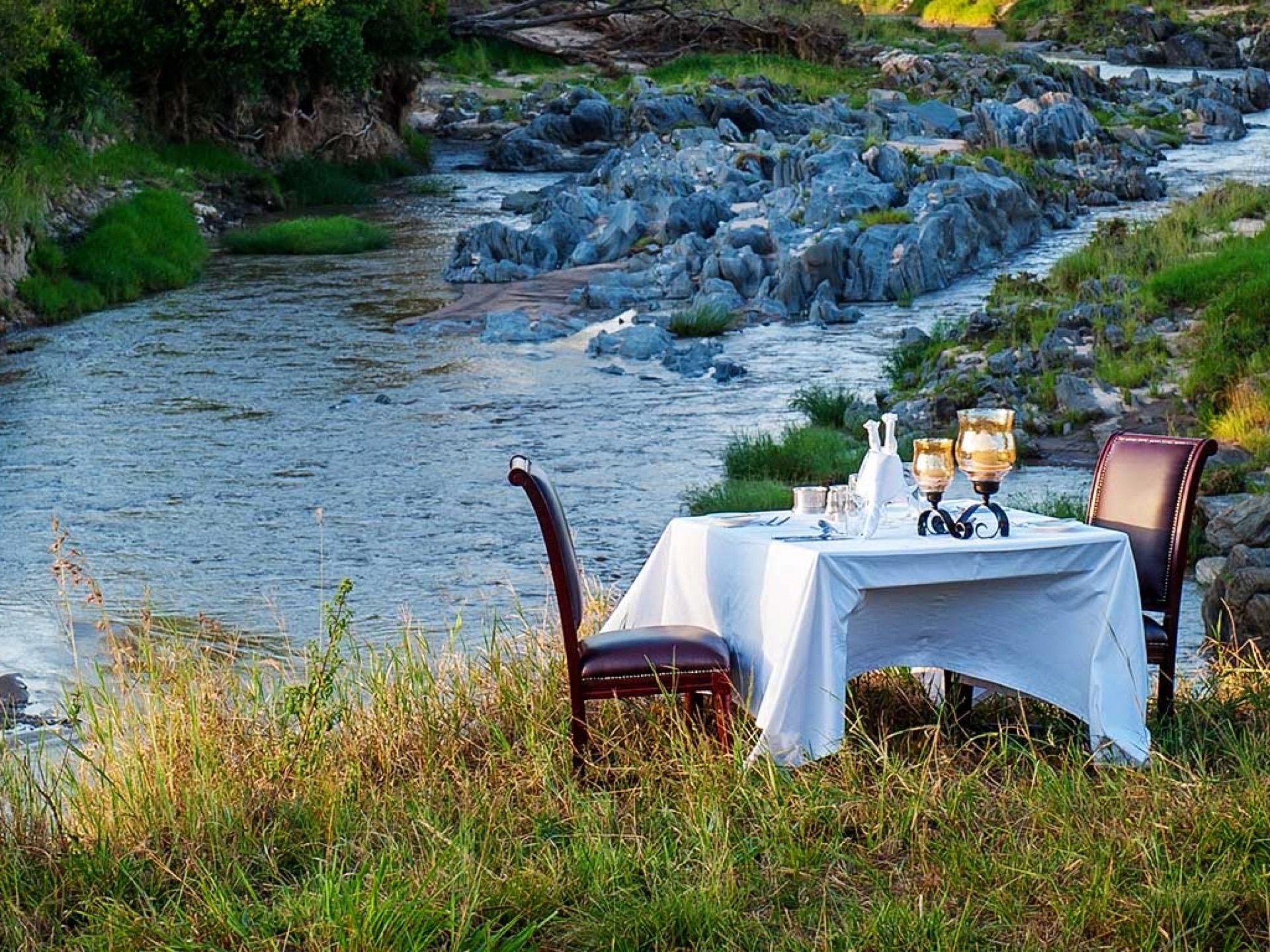
The texture of the days
Most safari luxury was designed for a different holiday
Late breakfast, long lunch, an afternoon by the pool, dinner at nine. That is a resort. A safari day is up at 5.15, out at six, dusty by nine, and asleep by ten — and a great deal of what is sold alongside one simply cannot be used inside that shape.
The day
What a safari day actually looks like
Read it once and the question answers itself: which comforts can even be used?
| Time | What is happening |
|---|---|
| 5.15 | A knock, or a voice outside the tent. Dark, and cold. |
| 6.00 | Out. The best two hours of the day, and they cannot be moved. |
| 9.00 | Breakfast somewhere — possibly on a bonnet, possibly under a tree. |
| 11.00 | Back. Hot, dusty, quietly elated. |
| 11.30 – 15.30 | The long middle. Four hours nobody plans for. |
| 16.00 | Out again, into the good light. |
| 18.30 | A drink somewhere with a view, if the land allows it. |
| 21.45 | Asleep. Genuinely — almost everybody is. |
Two lists
What survives, and what does not
Neither list is a judgement. One was built for this shape of day and one was not.
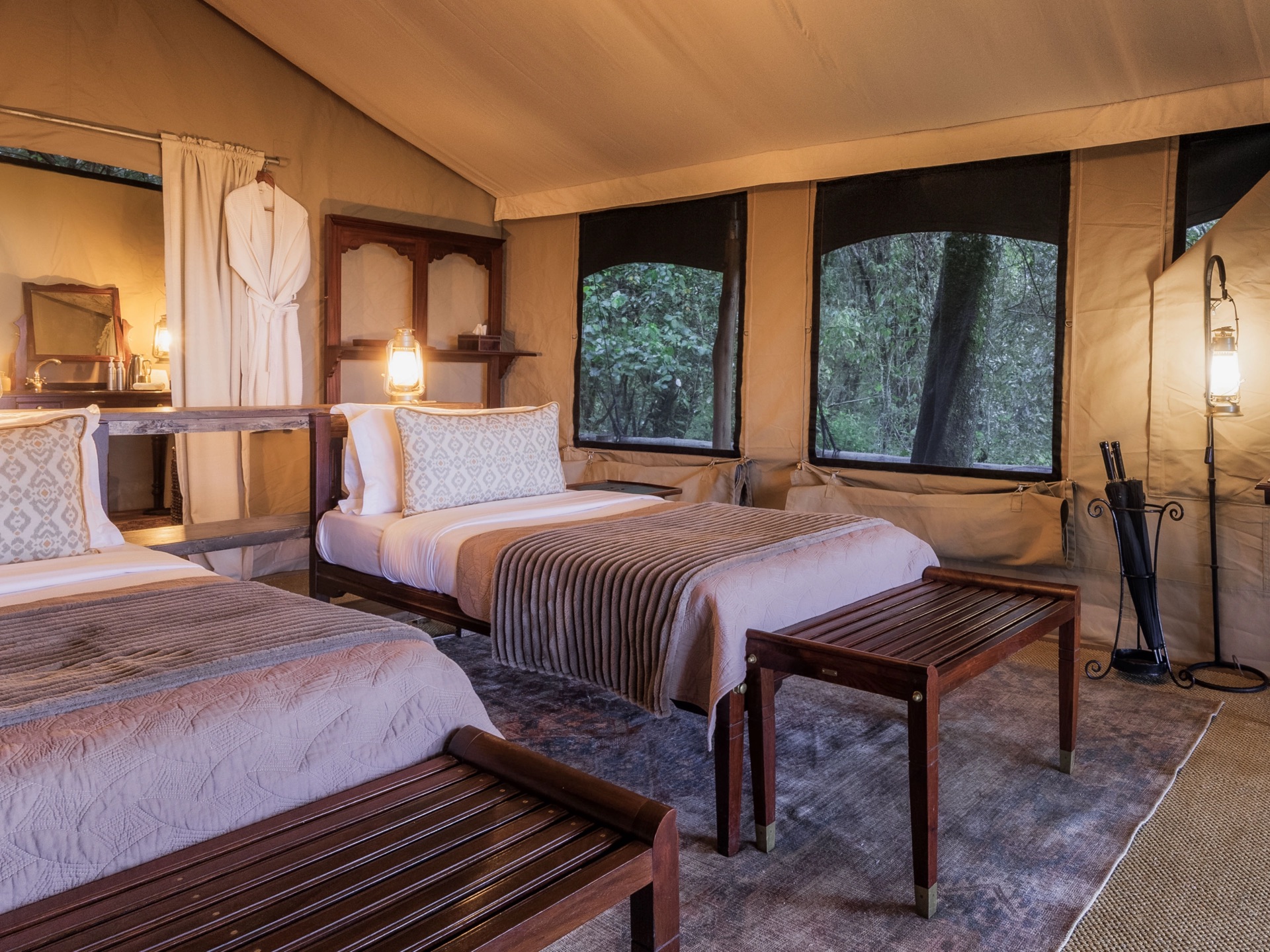
What survives
A bed you can see out of. Shade on the deck. Same-day laundry. Hot water at 5.30. A kitchen that will do dinner at seven. Your own vehicle.
The eight that matter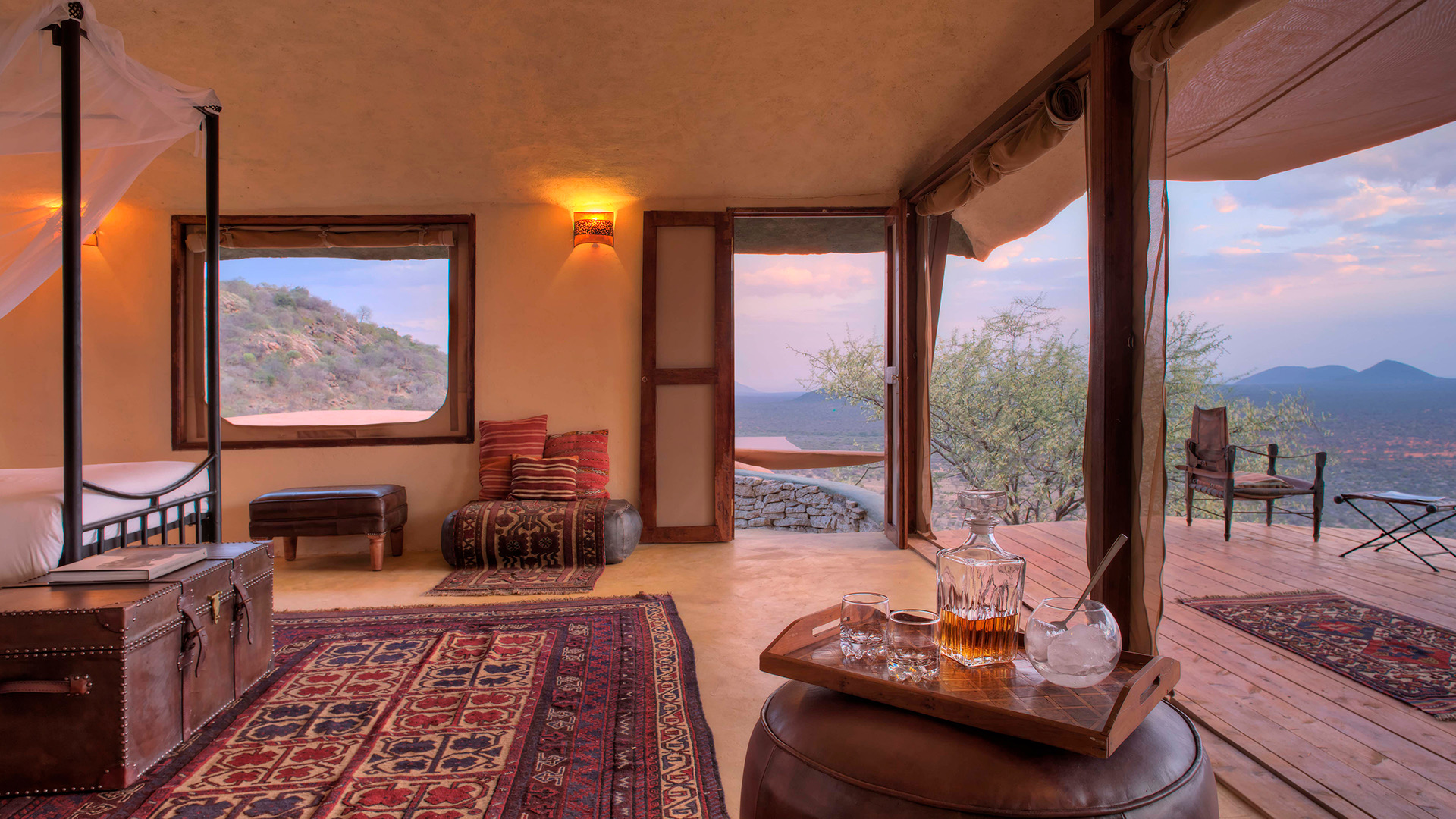
What does not
The late bar, the tasting menu, the pillow menu, the gym, the freestanding bath. All lovely, all designed for a holiday where you are awake after ten.
The eight that do not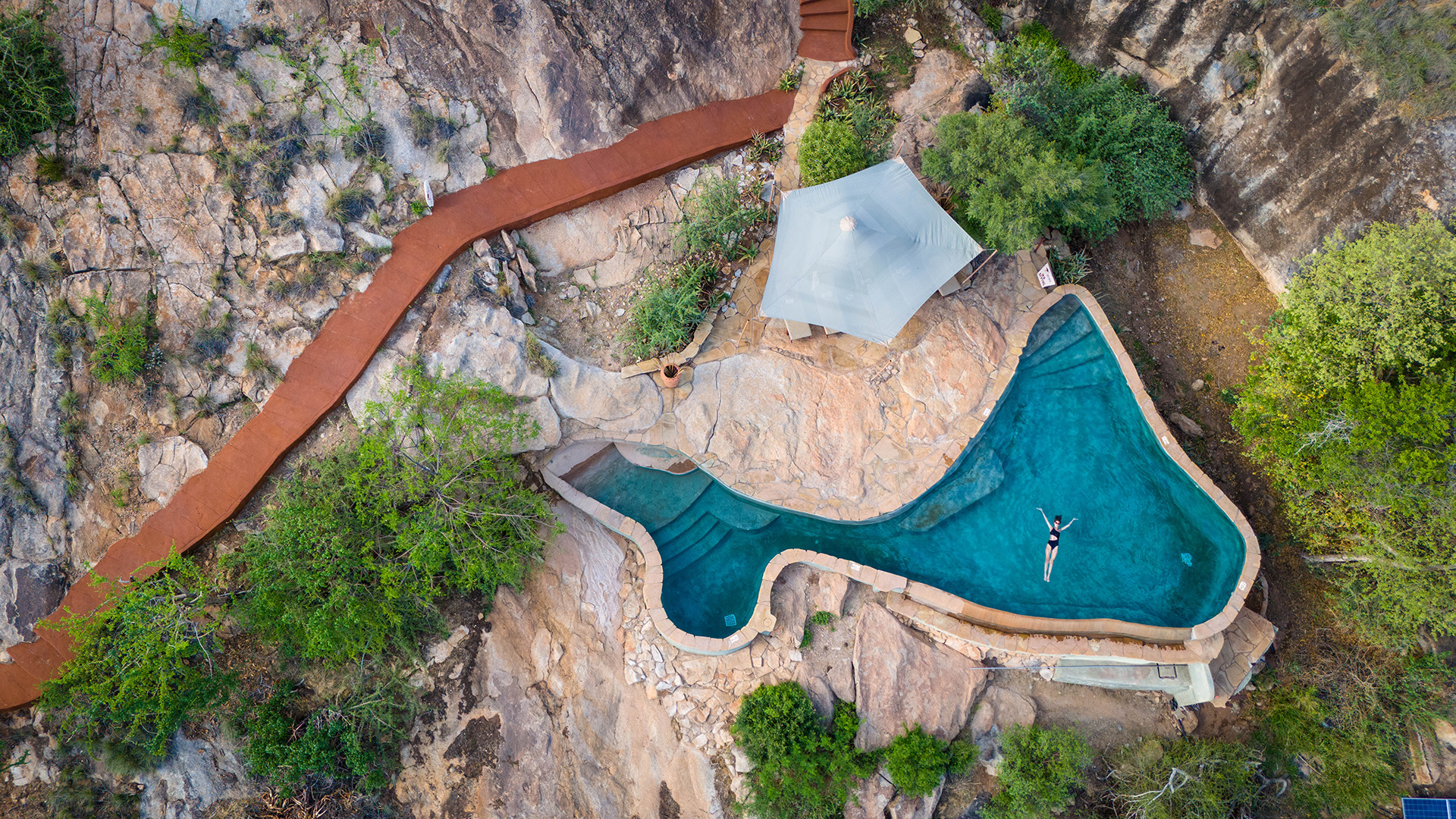
The long middle
Eleven-thirty to half past three, every day, unscheduled and hot. A quarter of your waking honeymoon, and the least-planned part of it.
Planning the middle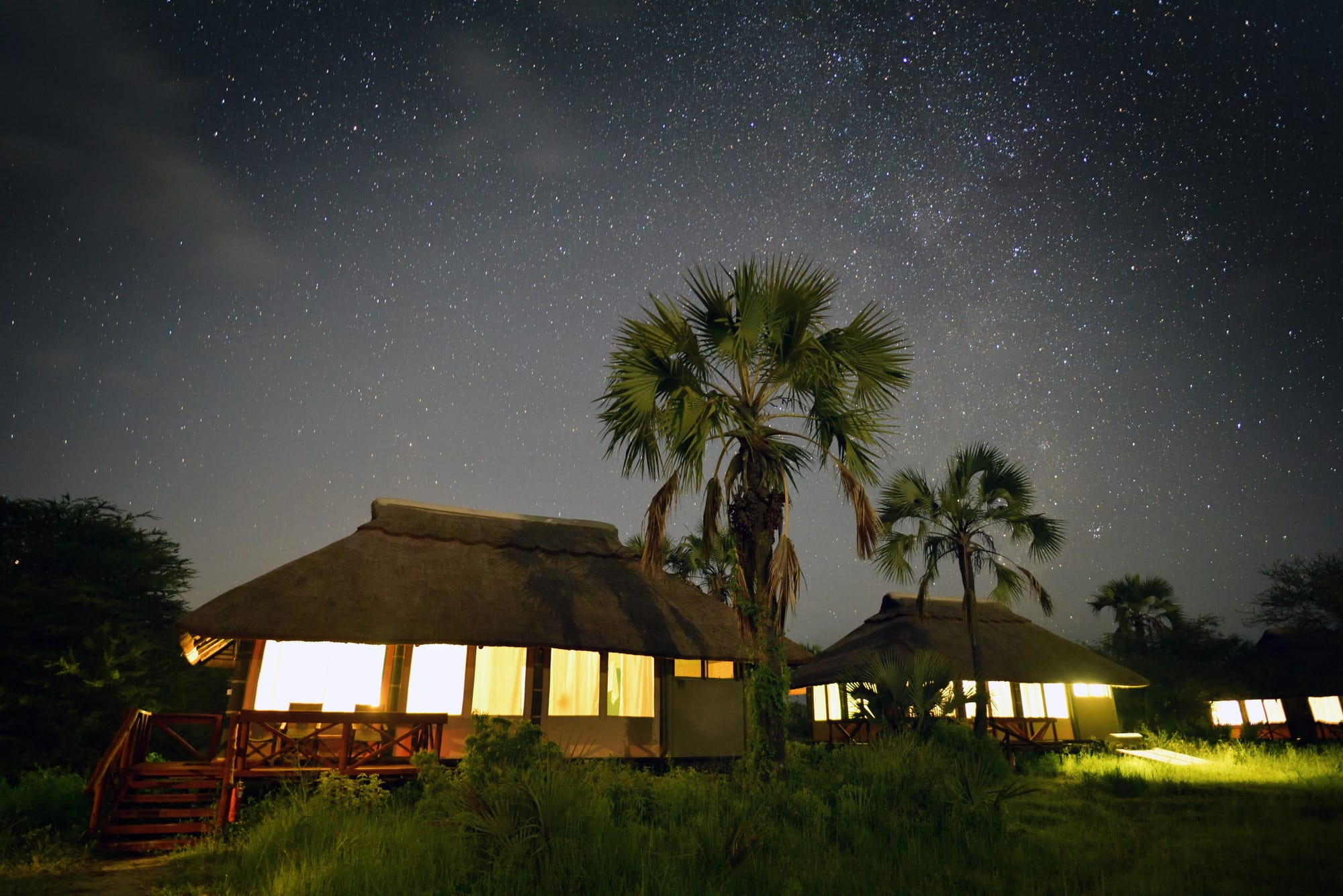
Sleep
The real luxury on a safari and the one nobody sells. Seven hours if you are lucky, and five specific things protect it.
Protecting itThe one that costs nothing
A bed you can see out of
The best feature in this market, and at most good camps it costs nothing extra — a tent whose front opens so that the view is there from the pillow.
It is worth more than the bath, the suite upgrade and the pillow menu combined, because it is the thing you will actually use: twice a day, every day, at the two hours when the light is worth being awake for.
Ask for it by name. It is a request about which tent you are given, not an upgrade, and specialists can usually get it.
- Ask which tents open onto the view from the bed
- Ask which way they face — east for sunrise, and heat in the afternoon if west
- Ask for shade on the deck at midday
- None of these is an upgrade. All of them are requests.
Free download
What Survives the Alarm
The shape of a real safari day, hour by hour — and which comforts matter inside it, which are decorative, and what to ask before booking.
- The shape of a safari day, hour by hour
- Why resort luxury does not transfer
- The eight that survive
- The eight that do not
- The middle of the day, which nobody plans for
- Sleep, and why it is the real luxury
- Food, and the timing problem
- Dust, laundry and water
- What to ask a camp
No cost, no obligation. We ask for an email so we can send it and, if you want it, follow up once.
Before you ask
Questions about the days
Do we really have to get up at five?
To see the best of it, yes — the two hours after dawn are when animals move, and no rate changes that.
What money buys is the freedom not to go. With a private vehicle, skipping a morning is a sentence over dinner rather than a social negotiation, and that is the single most useful thing you can buy on a honeymoon.
Is a spa worth having at a safari camp?
Only if you will use it in the long middle of the day, which is the one window available and also the hottest, sleepiest part of it.
Many couples find they would rather lie still by water. If a spa matters to you, it is usually better placed on the coast half of the trip, where there is time for it.
What actually matters most in a camp?
Shade on the deck, a bed you can see out of, same-day laundry, reliable hot water before six, and a kitchen that will feed you when you want rather than when it is scheduled.
None of those appears in a photograph, and all of them are things you will use every day.
Who actually arranges my safari?
This site is a planning guide. When you send an enquiry it goes to Nomad Africa, our partner travel agency in Kenya, who prepare your itinerary and quote and handle the booking, the payments and you on the ground.
You deal with one team from the first email to the airport transfer home.
Start planning
Tell us how you want the days to feel
Full and early, or slow with long afternoons. Both are entirely arrangeable, and a specialist cannot guess which you meant.
Our Africa specialist replies within 24 hours with camps chosen for how they run rather than how they photograph.
- Camps chosen for the shape of the day, not the shape of the bath
- A private vehicle priced separately, so you can see what skipping a morning costs
- Specific requests — the tent, the deck, the laundry — passed on at booking
- No deposit to see a plan, and no obligation at any point
Who answers
Nomad Africa, our partner travel agency in Nairobi, builds and prices every itinerary we send. You deal with one team, on the ground, for the whole trip.
Get your tailored itinerary and quote
Our Africa specialist replies within 24 hours with a costed plan built around your dates.
More from our Africa guides
Specialist guides across our Africa network
Each of these is a focused guide we publish. Same Africa specialist behind every enquiry.